Uniting Grassroots Partnerships for Climate and Ecological Justice
We bring law and the ecology together—fighting for a future that works for people, the planet, and prosperity in harmony with Nature.
Advancing Ecological Law
From Vision to Action
Protecting Nature’s Future
Safeguard at least 30% of Earth’s land and oceans as protected areas by 2030.
Established in 2023, the Consortium for Ecological Law (CEL) serves a singular purpose: to lead the transition away from legal systems that treat Nature as mere property or resource, toward laws and policies that recognize the Earth’s intrinsic rights.
Based in New York City, near the United Nations Headquarters, we operate at the intersection of international environmental law, climate policy, and grassroots civic action. We bring together legal experts, governments, and communities to turn ecological law into practical policy at every level.
Our work builds on decades of scholarship in ecological integrity law and governance, honoring the transformative climate leadership of our late co-founder, Hon. Richard L. Ottinger., and the visionary call of attorney Tony Oposa Jr. for shared stewardship of the Land, Air, and Water – the LAW of Life. Tony calls CEL the “Consortium for Earth’s LAW of Life.”
Earth-Centered Law for a Sustainable Future
Our Vision
We promote climate justice and long-term sustainability through the holistic stewardship of Earth’s climate and biosphere – ensuring that both present and future generations inherit a thriving, living planet.
Our Mission
We develop practical legal tools and policies to protect the biosphere and climate system through rigorous research, international advocacy, and collaborative action across borders and sectors.
- Climate Justice
- Human Rights
- Environmental Sustainability
- Community Empowerment.
Our Approach
We act as a think-tank and catalyst—partnering with UN bodies, governments, universities, Indigenous communities, and civil society to co-create inclusive, science-based, and just legal solutions.

A Message from Our Chairman
This is not the time for silence or half-measures. The planet is speaking — through wildfires, rising seas, and displaced communities. At the Consortium for Ecological Law, we wield the law as a tool of resilience and renewal. We are here to challenge the status quo, defend the rights of Nature, and demand climate justice — for all, and for the Earth itself.
Professor Nicholas A. Robinson
Distinguished Professor of Environmental Law, Pace University
President and Chairman, Consortium for Ecological Law
Why Human-Centered Law Is No Longer Enough
The Problem with Existing Environmental Law
- Current international and national environmental laws are fundamentally anthropocentric. They regulate pollution, resource extraction, and land use primarily to protect human economic interests, not to safeguard the integrity of ecosystems. Rather than protecting the planet, traditional frameworks merely ask: "How much damage is legally permissible?" Consequently, when environmental cases reach court, Nature has no legal standing of its own.
Legal Breakthroughs
The global landscape is shifting rapidly. In July 2025, the International Court of Justice confirmed that States have binding obligations under international law to address climate change and protect the rights of present and future generations. In May 2026, the United Nations General Assembly called on all States to fulfill those obligations. The Inter-American Court of Human Rights has likewise recognized Nature as a subject of rights. These developments mark a pivotal shift toward Earth-centered jurisprudence.
The Consortium for Ecological Law works to translate these emerging legal milestones into practical, enforceable protections for people and the planet.
The Ecological Law Solution
Ecological law shifts the legal paradigm toward Earth-centered governance by asking: “What does the Earth need to thrive?”
- By integrating Rights of Nature frameworks, ecocentric constitutional provisions, biosphere protection obligations, and intergenerational rights, we give ecosystems legal standing alongside humans and corporations.
Driving Global Change Through Ecological Law
The Consortium for Ecological Law operates at the highest levels of international environmental governance — shaping the policy conversations and legal frameworks that will define humanity’s relationship with the natural world for generations to come.
Founded 2023
Established in New York City to lead the global transition toward Earth-centered law and policy.
Global Focus
Engaging international forums including the UN, ICJ, IUCN, and UNFCCC Conference of the Parties.
30x30 Goal
Advocating to protect at least 30% of Earth’s land and oceans as protected areas by 2030.
ICJ Advisory Opinion
Supporting dissemination and implementation of the 2025 International Court of Justice climate justice ruling.
We support and collaborate with Pace University’s Global Center for Environmental Legal Studies and the Pace Energy and Climate Center — institutions at the forefront of environmental legal education and research. This partnership ensures our advocacy is grounded in rigorous scholarship and institutional credibility.
Defending Nature’s Legal Rights Across Four Fronts
Rights of Nature Advocacy
We advance legal frameworks that recognize ecosystems, rivers, forests, and the atmosphere as rights-bearing entities—giving Nature concrete legal standing in courts and legislatures worldwide.
Climate Justice Legal Tools
We develop and disseminate practical legal instruments for communities, lawyers, and policymakers to hold governments and corporations accountable for climate harm, directly supporting the Paris Agreement and the 2025 ICJ Advisory Opinion.
Policy Research and Think-Tank Work
We prepare policy proposals, conduct legal research, and provide expert guidance to UN bodies, governments, and civil society organizations to translate complex legal developments into accessible tools.
Grassroots Partnerships and Education
We believe that ecological justice begins in communities. We empower grassroots organizations - particularly those led by youth and Indigenous Peoples - with the legal knowledge, tools, and global connections needed to drive change from the ground up.
To act as a think-tank and catalyst for implementing the right to a clean, healthy, and sustainable environment, recognized under UNGA Resolution 76/300 and the ICJ’s advisory opinion on climate justice under Resolution 77/216.
Rooted in Institutional Credibility, Connected to Global Action
The Consortium for Ecological Law works in close collaboration with leading institutions in environmental law and global governance. Our partnerships amplify our reach and ensure our work meets the highest standards of legal and scientific rigor.
- Pace University — Global Center for Environmental Legal Studies
- Pace Energy and Climate Center
- United Nations Bodies (UNEP, UNGA, and relevant treaty bodies)
- IUCN — International Union for Conservation of Nature
- UNFCCC Conference of the Parties (COP)
- FGV Rio Law — Fundação Getúlio Vargas
FAQs
What is ecological law?
Ecological law is a legal framework that places the health and integrity of the Earth’s ecosystems at the center of legal systems, rather than treating nature primarily as a resource for human use. It recognizes the intrinsic rights of living systems — including rivers, forests, and the atmosphere — to exist, regenerate, and thrive.
What is the Consortium for Ecological Law?
The Consortium for Ecological Law is a New York-based nonprofit organization founded in 2023 to advance the transition from human-centered environmental law toward Earth-centered legal frameworks. We conduct research, develop policy proposals, partner with international bodies, and support grassroots organizations advancing Rights of Nature and climate justice.
What are the Rights of Nature?
The Rights of Nature is a legal concept that recognizes natural entities — such as rivers, ecosystems, forests, and the atmosphere — as possessing inherent rights to exist, flourish, and be restored. These rights give nature legal standing in courts, meaning humans can legally advocate on behalf of ecosystems.
What was the 2025 ICJ advisory opinion on climate justice?
On July 23, 2025, the International Court of Justice issued a landmark advisory opinion confirming that States have binding legal obligations under international law to prevent climate harm and protect the rights of present and future generations. The UN General Assembly has called for its implementation and follow-up. The Consortium for Ecological Law is committed to its dissemination and implementation.
Your contribution fuels our legal and ecological efforts.
Donate Online
- PayPal or Zelle®: ecologicalaw@gmail.com
- Credit Card: Email us for a secure Chase Bank link.
- Contact: ecologicalaw@gmail.com

Give in Tribute
- Donate in honor or memory of someone
- Make a legacy gift or bequest
- Become a monthly or annual donor
Mail a Check
Make checks payable to:
Consortium For Ecological Law, Inc.
P.O. Box 1964,
New York NY 10163, USA
If you would like to donate by mail, please use our
printable donation form.
Giving Circles
- Patron – $10,000+ one-time
May be invested in endowment. - Society of Founders – $2,500–$4,999
Our long-term partners. - CEL Fellowship – $500–$2,499
Supporting progress. - Friends of CEL – $1–$499
Every contribution matters. - CEL Honorary Society – $5,000+ annually
Sustained impact support.
Make an Impact
Collaborate with us to shape Earth-centered policies and drive meaningful environmental change on a global scale.

Pioneering Legal Actions for a Sustainable Earth Future
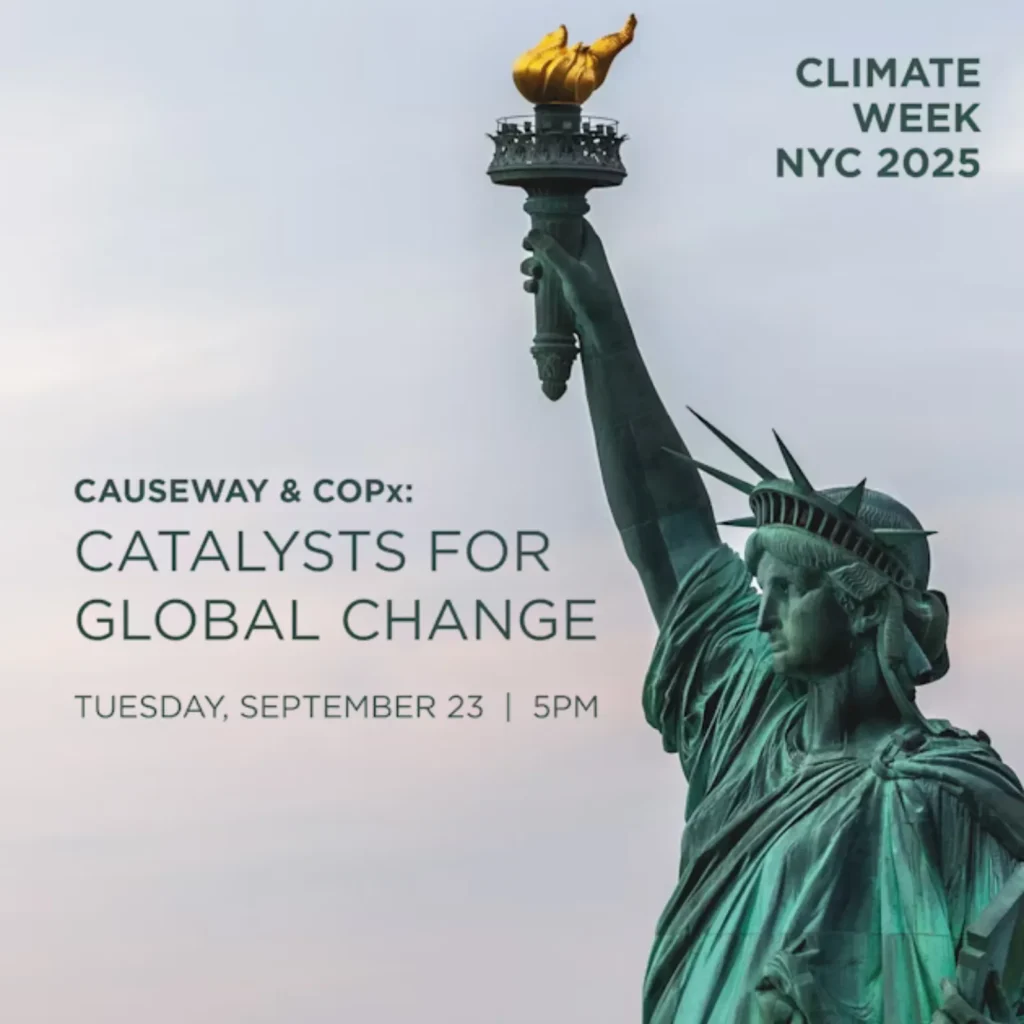
Support the Launch of the COPx Climate Action Platform
September 23, 2025 – Fordham University, NYC
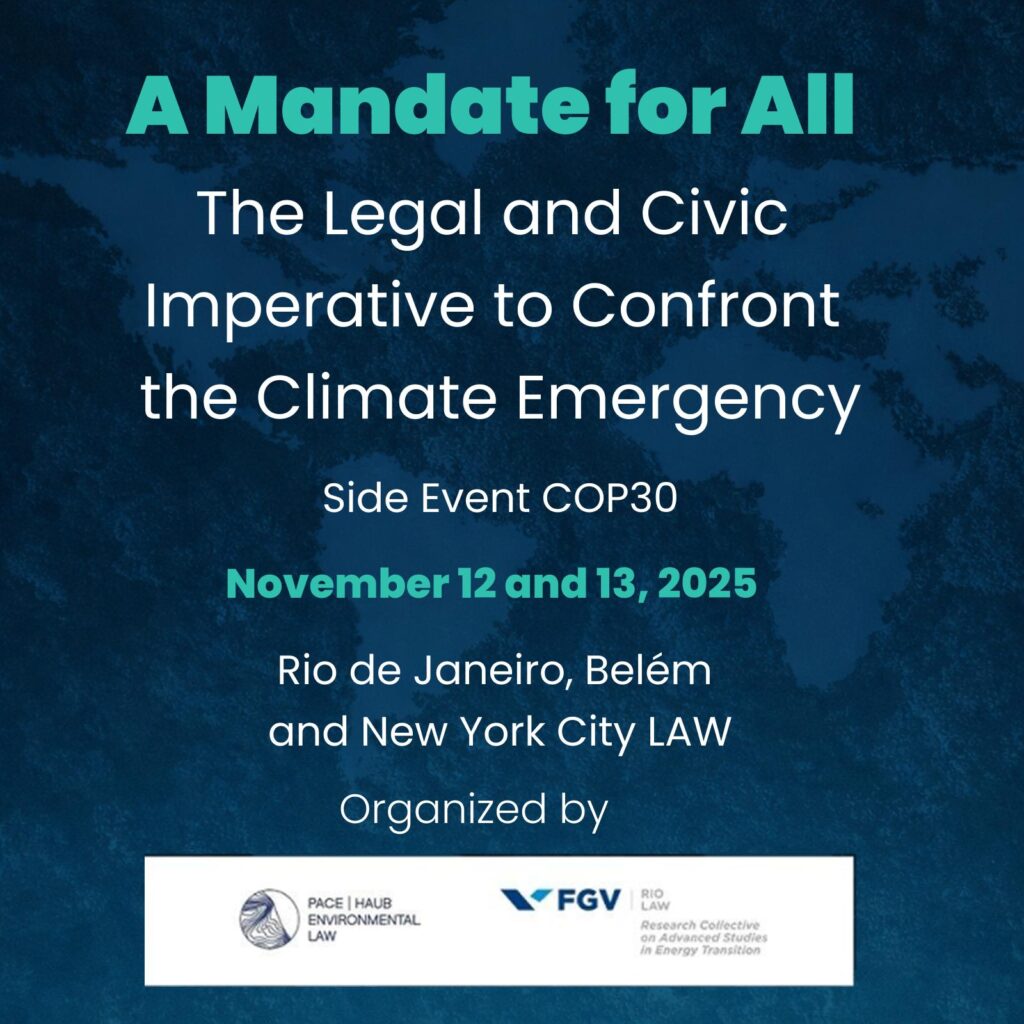
Climate Justice Legal Tools at COP-30
November 12-14, 2025 – Belém, Rio de Janeiro, and New York

The Consortium for Ecological Law congratulates the awardees of the 2025 Elisabeth Haub Award for Environmental Law and Diplomacy and invites you to follow the ceremony at Pace University in New York City on October 23, 2025
October 23, 2025 – Pace University in New York City